A Muslim Woman’s Guide to Wudu Nail Rings, Nail Rings for Wudu, and Wudu Nail Covers
For many Muslim women, beauty and faith are not opposites. They are two parts of a balanced identity. Yet nail care can raise a common question: how can I wear something elegant on my nails while still performing wudu with confidence? Traditional nail polish often creates a smooth, water-resistant layer. Because wudu requires water to reach the nails and skin, that layer can be a problem. This is where Wudu nail rings, nail rings for wudu, and wudu nail covers enter the conversation. They offer creative, faith-conscious ways to enjoy nail style without ignoring the requirements of purification. The key is understanding what each option does, how it fits your daily routine, and when you should speak with a knowledgeable scholar or trusted teacher.
Why Wudu and Nail Care Can Feel Complicated
Wudu is more than a ritual; it is a moment of physical and spiritual cleansing. Water must touch the parts of the body required in ablution. When a substance forms a barrier on the nail, water cannot reach the nail itself. That is why many women avoid long-wear polish, gel, or thick lacquer before prayer. Some choose to remove polish before wudu; others search for halal-friendly alternatives. Breathable or water-permeable polishes are one path. Decorative nail accessories are another. The goal is not to trick the rules. It is to find a respectful solution that lets you practice your faith and feel like yourself.
What Are Wudu Nail Rings?
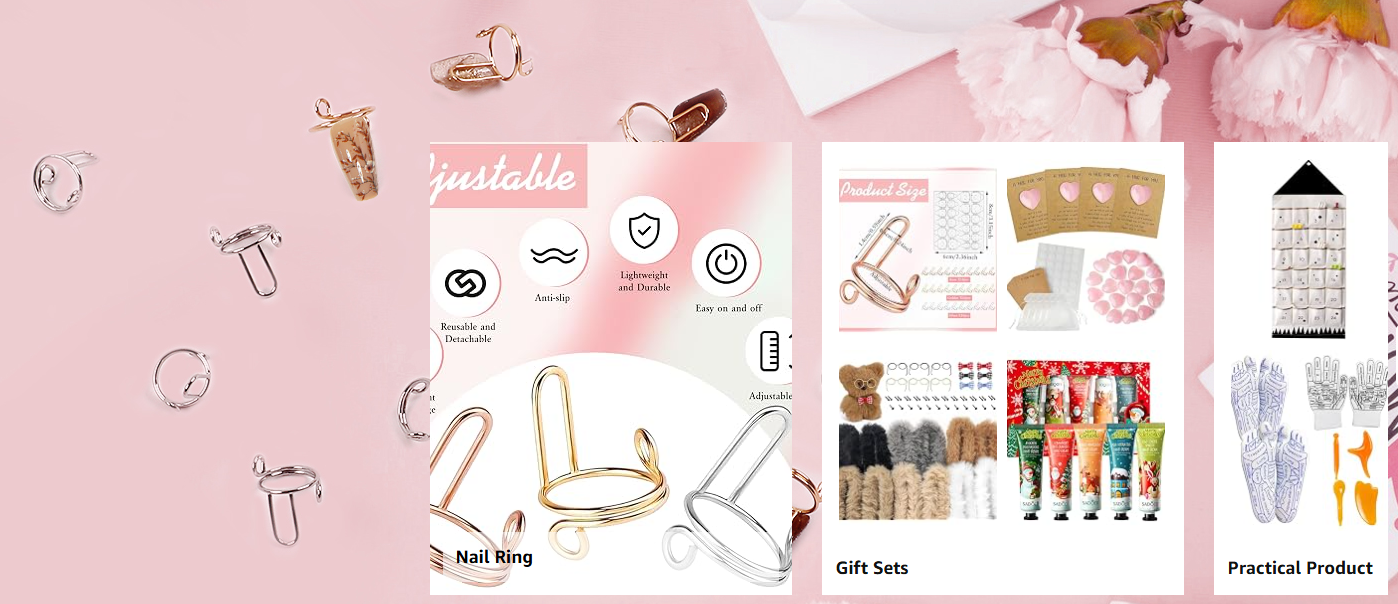
Wudu nail rings are small, decorative rings designed to sit on or around the nail. Unlike a full coat of polish, they are open in structure. They can add shine, color, or a delicate metallic accent without sealing the entire nail surface. Many Muslim women wear them as an alternative to nail polish, especially when they want a polished look but need to pray throughout the day. A well-designed wudu nail ring should feel light, stay secure, and allow water to reach the nail and surrounding skin. If a ring is too tight, too thick, or covered with a waterproof seal, it may interfere with wudu. Fit and material matter.
How They Differ from Nail Polish
Traditional polish covers the nail with a film. Even if it looks thin, it can block water. Wudu nail rings do not coat the whole nail in the same way. They are jewelry first, but they are chosen with purification in mind. They can be removed easily in many cases, and they do not require acetone, UV lamps, or long drying times. For women who pray five times a day, that simplicity is a major advantage.
Nail Rings for Wudu: Style Without the Waterproof Barrier
The phrase Nail rings for wudu describes the same basic idea: nail jewelry that respects the needs of ablution. These rings can be subtle or statement-making. Some are simple bands; others include tiny gems, crescent shapes, or floral details. They work well for weddings, Eid gatherings, everyday office wear, or casual weekends. Because they are not a liquid coating, they do not create the same water-blocking concern as conventional polish. However, not every nail ring is automatically wudu-safe. A ring that covers the nail with a solid backing, glue, or tight seal may prevent water from reaching the nail. Always check the design and remove any accessory if you are unsure.
The best faith-friendly accessory is not the one that hides the rules. It is the one that helps you honor them with comfort and confidence.
Wudu Nail Covers: Protection, Modesty, and Practical Use
Wudu nail covers are another option for women who want to protect their nails or cover polish temporarily. Some covers are designed to slip over the nail, while others are more like protective shields. They can be useful when you are cleaning, cooking, gardening, or doing wudu in a public place. But context matters. If a cover completely seals the nail during wudu, it may stop water from reaching the nail. In that case, it should be removed before ablution unless it is specifically designed and verified to allow water through. Many women use covers outside prayer times and then remove them for wudu. Others choose open-style covers that do not block water. The right choice depends on your school of thought, your lifestyle, and the product design.
How to Choose the Right Option
Before buying any nail accessory, think about comfort, durability, and wudu validity. A beautiful piece that pinches, slips, or blocks water will not serve you well. Use this checklist as a starting point.
Fit and Comfort
Choose a size that sits gently on the nail without pressure. If it pinches the nail bed or catches on fabric, you will avoid wearing it. Comfortable pieces are more likely to become part of your daily routine.
Material and Durability
Look for skin-friendly metals, smooth edges, and secure settings. Avoid rough plating or loose stones that can snag. If you wash your hands often, choose materials that resist tarnishing and water damage.
Wudu Validity
Test the accessory before relying on it for prayer. Pour water over the nail area and check whether water reaches the nail and skin. If you follow a specific madhhab, ask a qualified teacher about your chosen design. When in doubt, remove the accessory for wudu.
Care and Cleaning Tips
To keep your accessories beautiful and hygienic:
- Clean them gently with mild soap and warm water.
- Dry them fully before storing.
- Avoid harsh chemicals, chlorine, and abrasive cleaners.
- Check prongs, stones, and edges for looseness.
- Remove them before heavy manual work if they could bend or catch.
Final Thoughts
Faith and style can coexist. Wudu nail rings, nail rings for wudu, and wudu nail covers give Muslim women more choices than ever. They can be elegant, practical, and thoughtful. But the most important factor is not trend or appearance; it is whether water reaches the nail and skin during wudu. If you are uncertain, ask a qualified scholar and test your accessory carefully. When chosen well, these small pieces can become part of a routine that feels both faithful and beautifully personal.
Comments are closed